
Feature - Documentaries
Is documentary filmmaking an objective form of film? Is objectivity possible? Are all documentaries the same? No, no and no.

One area of film that I sadly haven’t gotten myself truly into is documentary, which from the early onset of film was considered the purest form of cinema, free from any trappings of theater or any other of the arts (just read Dziga Vertov’s work and the rest of his contemporary Soviet comrades). Yet, I am always amazed by the complete variety that documentaries have to offer formally and stylistically. If you have only the base level knowledge of documentaries -as I did a few years ago- documentary is just talking head interviews narrating true to life events accompanied by archival footage, like the ever timely Navalny from two years ago (available on Max). Yet, most of the best documentaries I’ve seen reject this style of palatable documentary filmmaking in favor of something more intellectually stimulating and challenging.
The most interesting thing that I see about documentaries is the perception of objectivity held around them. Since they try to recreate or show some sort of real life, people see nonfiction as inherently objective as opposed to the fictional stories presented from the point of view of the filmmaker -or the studio depending on the type of project-. However, doesn't the placement of the camera and the choice to film and present certain things as opposed to others prove the existence of an idea or message that the filmmaker wants to portray? Shouldn’t that be as auteurial as the rest? The answer is yes.
So, if you are just starting out in the world of documentary, which films should you seek out? As someone who is not at all qualified, I just wanted to recommend some documentaries I have enjoyed and talk a bit about the style employed to achieve their desired effect, and the extremely different results that they yield:
The Contemporary Interview Documentary: Jennie Livingston’s Paris is Burning (1990)
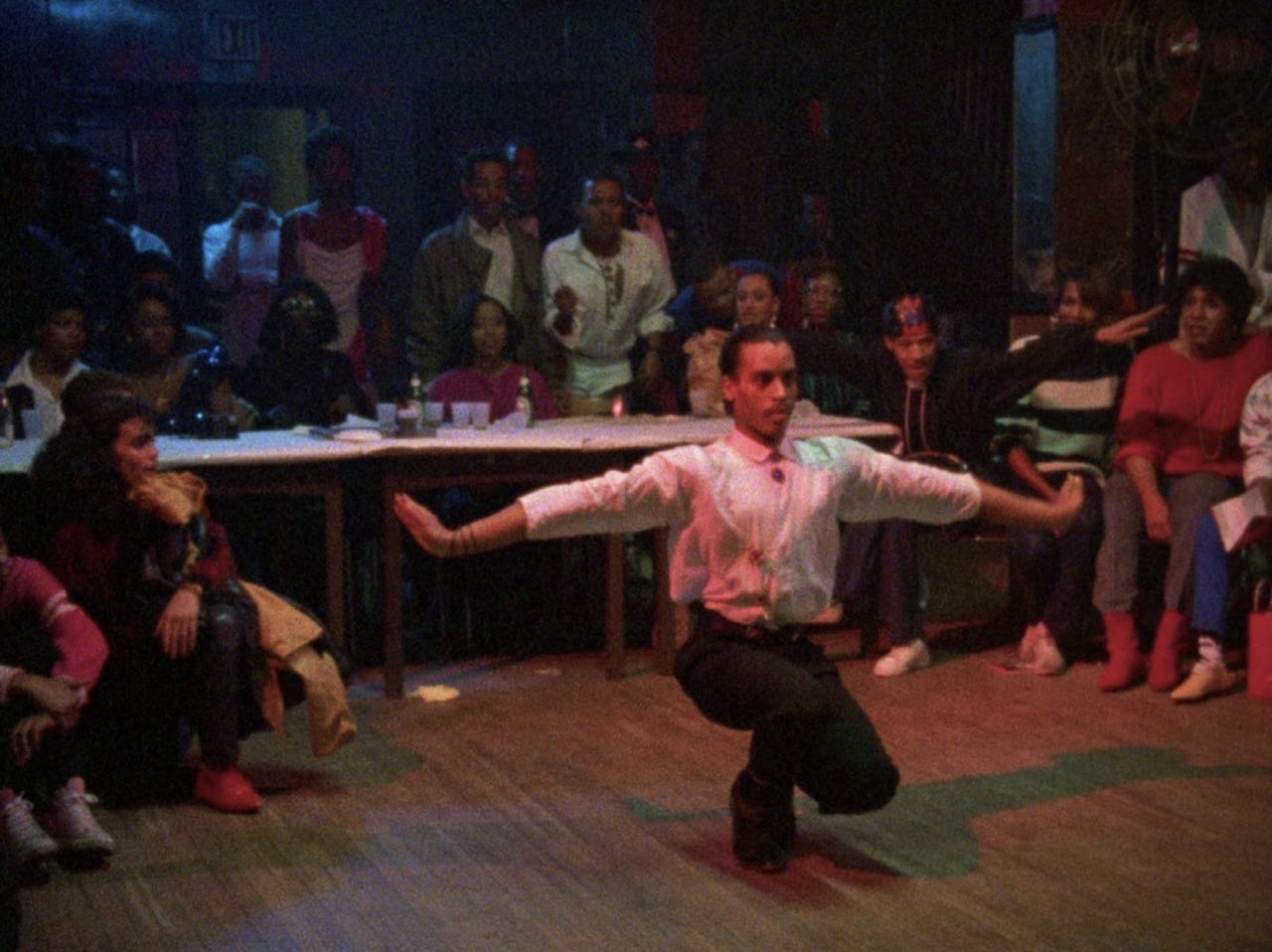
A landmark of the New Queer Cinema movement of the 90s, Paris is Burning is a document of New York ballroom culture of the 80s amidst the AIDS crisis, featuring primarily queer African Americans and Latin Americans, existing and surviving through a subculture that celebrates self-expression through drag, dance and many other concepts and rules that are now part of the pop culture consciousness. From reading, vogue, mother, to throwing shade, all have become part of the consciousness, which makes watching this film all the more important and fascinating, to pay respects to a still thriving subculture but also acknowledging the humanity and context behind the world that created it.
Livingston doesn’t show herself in the film as others do, but rather combines interviews with many gay men, trans women and queer people to give this context while showing amazing footage of ballrooms in action. Popular shows like RuPaul’s Drag Race and Pose made ballroom culture mainstream, but this film’s authenticity and compassion is truly something.
Another Recommendation: Steve James’ Hoop Dreams (1994)
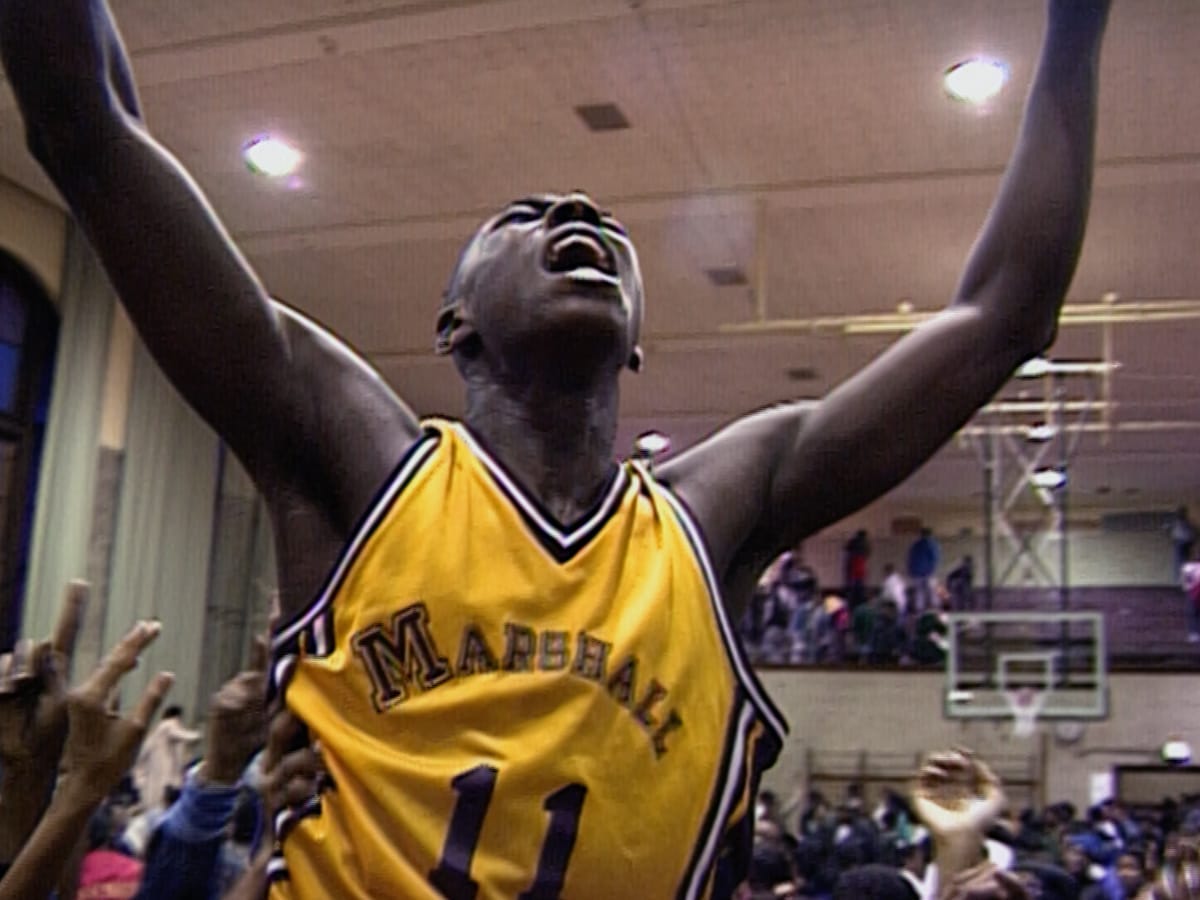
What are other interview and footage documentaries I enjoyed? Steve James’ Hoop Dreams is another amazing example, one that tracks two Chicago inner-city African American boys who get into the same Illinois school on a basketball scholarship for four whole years. While it doesn’t break any formal ground, its commitment to following the uncertain stories of these kids gives it a universal coming of age quality similar to the one Richard Linklater would achieve many years later with Boyhood. The emotional climax of this film made me cry.
The Essay Documentary: Agnès Varda’s The Gleaners and I (2000)
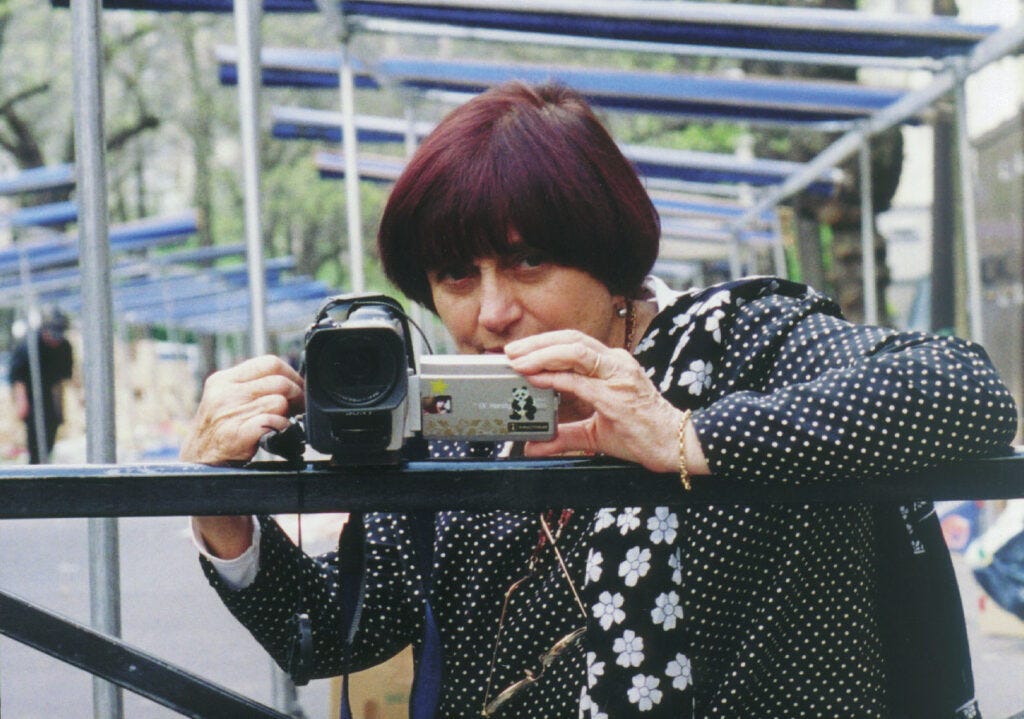
Varda is a director who needs no introduction. A legend of the French New Wave who always wanted to bring a true to life quality to every bit of her work but also keep it as personal as possible. In a career that spanned from the 60s all the way until her passing in 2019, she kept mixing and changing between fiction and documentary filmmaking, and while she made some really good documentaries in her final years, my favorite film of hers is in the turn of the century when she used the highly accessible and easy to use digital cameras to explore France and her inner psyche in equal measure.
So, what is The Gleaners and I about? Through the title, you can already get the hint. She re-explores her themes from Vagabond through nonfiction, by examining the concept of gleaning, taking the residual crops after a harvest, which is legally recognized as a right under French law. She then explores different forms of gleaning both in urban and rural settings, from finding foods in farmer’s markets and even trash bins, and looking at the many people who participate in this activity, some for needs, others for political beliefs, and others just for its practicality. While all of that happens, Varda takes a look at herself and her own aging, and so her thematic exploration of a political topic becomes intertwined with her own mortality. It’s an ambitious tonal balancing act that works wonders and is an amazing example of documentary at its most subjective, with a director commenting on her own perception, making the journey seem like an expedition rather than a guided tour.
Another Recommendation: Chris Marker’s Sans Soleil (1983)
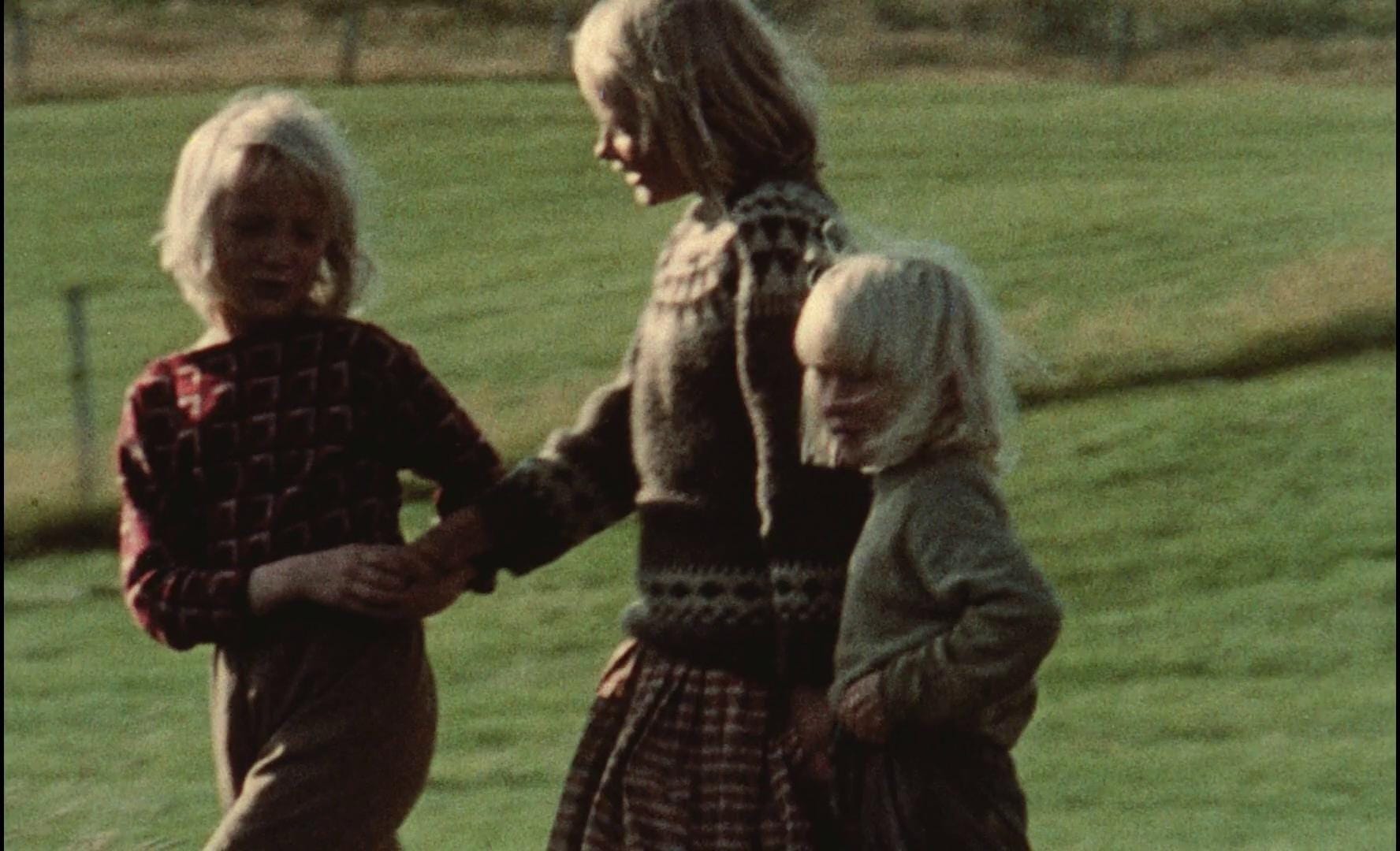
Sans Soleil is another essay that is far more ethereal and less clearly definable as any of Varda’s work, yet is fascinating to perceive for all of the footage that it unites that seems so disparate while keeping an emotional core through the letters that an actress reads as the film goes on. In theory, Sans Soleil captures the thoughts of a traveler -maybe Marker himself- as he explores Japan, Guinea-Bissau and Iceland, the concept of time, technology, the mastery of Hitchcock’s Vertigo and the psychological elements it explores, and maybe some semblance of what happiness means, as referenced in the beginning of the film. It’s a confusing but deeply rewarding watch.
Cinéma Vérité Documentary: Claire Simon’s Our Body (2023)
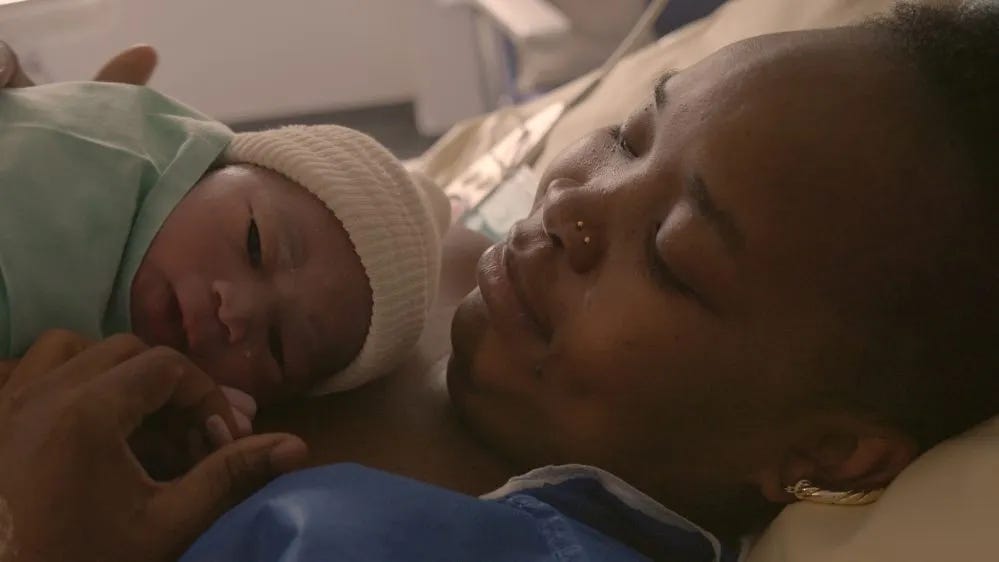
The most recent film I’m recommending in this publication, I still cannot stop thinking about Simon’s masterwork in capturing the real lives within a gynecological ward of a public hospital in Paris. Cinéma vérité is probably the highest attempt of capturing objectivity -if that is even possible- by showing the footage with little editing techniques, sparse use of cuts, voice over, interviews, or any other footage different from what the director captures in their camera. For Simon, she briefly interrupts the vérité style by providing brief voiceovers at the beginning and the end of her film, but the rest of the three hours are spent exploring women seeking abortions, fertility treatments, ultrasounds, gender affirming care, operations, oncological care, and a whole set of treatments and examinations to look at an experience that is mostly feminine but deeply universal at the same time.
There are many highlights within the spaces Simon documents, but the very best part comes two thirds of the way through when the director herself receives an examination. I won’t say much, but it almost made me cry. Something else that fascinated me was the way Simon showed the doctors examine and talk to their patients. Slowly realizing that communication is just an integral part of the medical profession as are the medical and technical aspects, the film becomes as much about the professionals doing their jobs right as it is about the patients living their own pains. I cannot recommend this film enough.
The Undefinable Documentary: Joshua Oppenheimer’s The Act of Killing (2012)
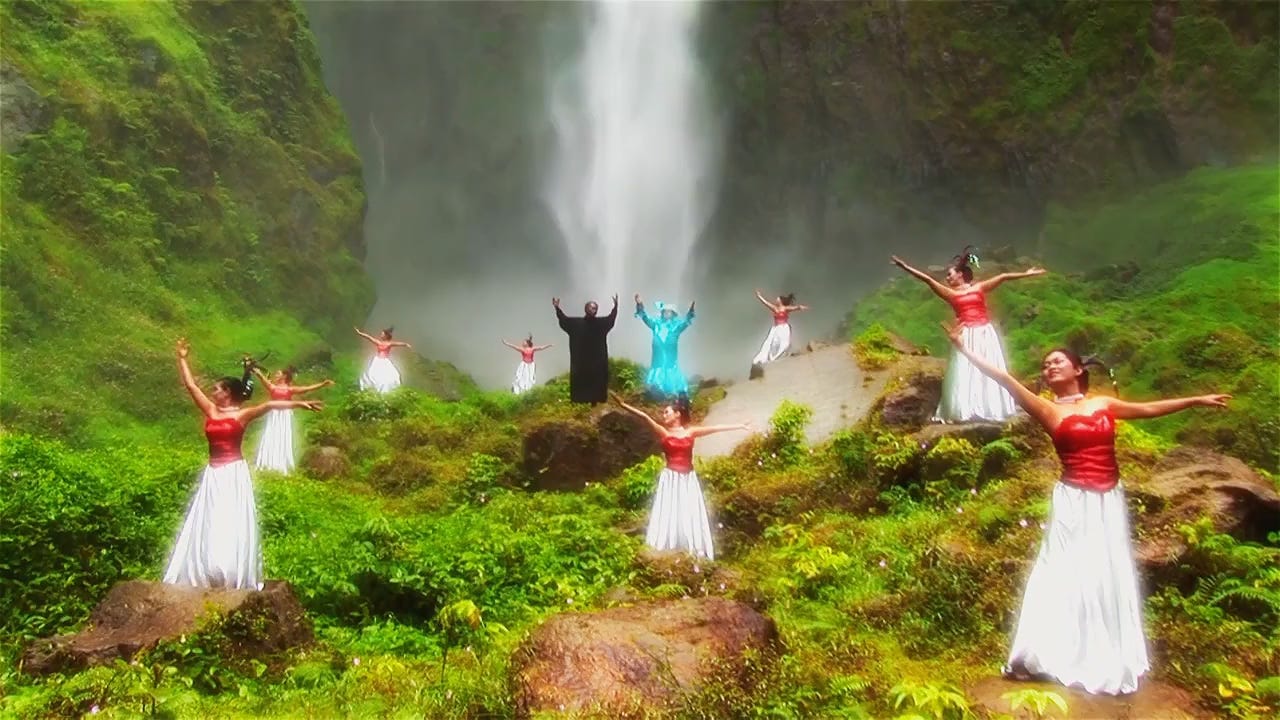
Then there are some documentaries that defy any kind of definition as to what they are and the techniques they employ to achieve their desired effect. In this case, it is about Indonesian genocide of the 60s, told by the people who carried out the murders, who are then asked by the director to make a film about their exploits at the time. They see their acts as heroic, and therefore seek big production values and dance numbers to immortalize their story of how they “saved” their country from undue outside political influence, but taking so many lives in the process.
The film is just about the writing of history, as it is about remembering and taking accountability for one’s actions. The footage that Oppenheimer manages to capture is primal, unexplainable and deeply emotional. The ending in particular is an act of reckoning that Jonathan Glazer seemed to appeal to when making last year’s The Zone of Interest, and while the latter achieves great effect using that as a technique, I don’t think any filmmaker can achieve something as deeply unnerving, satisfying but also wrong as what Oppenheimer finds and captures in this ending. We find ourselves wanting to belch as much as the people occupying the frame.
Those are my recommendations. Of course, there are many other kinds of documentaries. Archival documentaries mainly seek historical explanation, with my favorite recent example being O.J.: Made in America, which summarized the story of Simpson and the American racial divide a lot better than Ryan Murphy ever wished he could with his TV show. Another popular kind of documentary is the concert film, which has a lot of examples by superstars Taylor Swift and Beyoncé, but probably has its best example from Stop Making Sense, Jonathan Demme’s concert film of Taking Heads.